
Agile has become almost synonymous with modern project delivery, celebrated for its speed, adaptability, and iterative mindset. But when it comes to data governance initiatives like Master Data Management (MDM), things are not always so straightforward. These projects thrive on structure, precision, and clearly defined sequences of work. Trying to force Agile into environments where predictability and compliance are critical often creates friction rather than value. So the real question isn’t whether Agile is powerful. it’s whether it’s always appropriate.
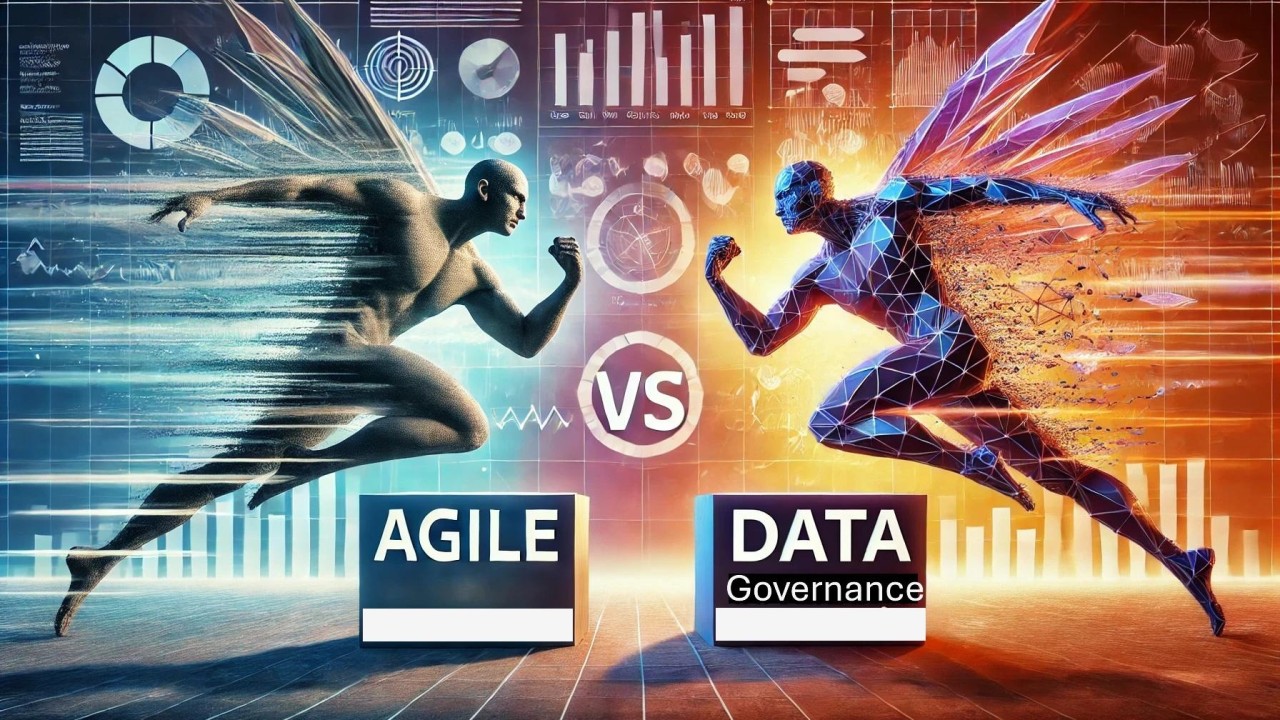
Agile methodologies have transformed how we think about project execution—but are they the best fit for every scenario?
When it comes to data governance initiatives like Master Data Management (MDM), the answer often leans toward no. Here's why:
Agile thrives in environments where adaptability reigns supreme, such as cloud-based projects. But when your work involves structured, sequential processes—think data cleansing, analysis, cataloging, or ETL pipeline creation—the rigid adherence to fixed steps makes Agile feel like forcing a round peg into a square hole.
The reality? Agile isn’t just a set of practices—it’s a mindset. And too often, companies apply frameworks like Scrum without reshaping their organizational culture. They expect faster results without providing the foundation for flexibility and innovation. The result? Frustration and inefficiency.
Traditional methodologies still have their place, especially where precision and predictability are non-negotiable. Data governance projects need structured approaches to meet compliance and ensure accuracy. Applying Agile blindly here can escalate costs, alienate stakeholders, and compromise success.
Real-life example: I experienced this firsthand while leading a Master Data Management program for a major European bank. They had brought in an Agile coach who tried to apply “pure Agile” principles to a highly structured data governance initiative, and the result was chaos. Teams were pushed to reinvent processes that simply needed disciplined execution, milestones became blurred, and precision suffered. When I took over, I asked the client to remove the Agile coaching layer so the project could regain clarity, accountability, and sequential rigor. Once we reinstated a structured approach with clearly defined steps, measurable progress, and regular, predictable stakeholder updates, the program stabilized, regained trust, and delivered results. This was a perfect example of a project where structure was not only beneficial, it was essential.
Key takeaway: Use the right tool for the job. Agile works wonders where flexibility adds value, but structured approaches often lead the way in high-stakes, step-by-step projects.
Question for you: What’s your take? Have you seen Agile succeed in structured environments, or do traditional methods still win in your experience? Let’s discuss
About the Author
Axel Douchin is a Cloud, Data, and Artificial Intelligence (AI) executive and interim CIO, CTO, and Chief Data Officer specializing in complex digital transformation programs. With more than 20 years of international experience—including leadership roles in global technology initiatives and work with Amazon Web Services—he helps organizations design and execute large-scale cloud migrations, enterprise data strategies, and AI-driven platforms. His work focuses on data governance, scalable cloud architectures, and pragmatic approaches to deploying AI in regulated and high-complexity environments.
Topics: Cloud Strategy · Data Governance · Enterprise Data Platforms · Artificial Intelligence · Digital Transformation
More insights on Cloud, Data, and AI strategy:
www.douchinconsulting.com
#DataGovernance #AgileMethodology #ProjectManagement #MasterDataManagement#DataStrategy #OrganizationalCulture #DataManagement
Expert analysis on data, cloud, and change management.
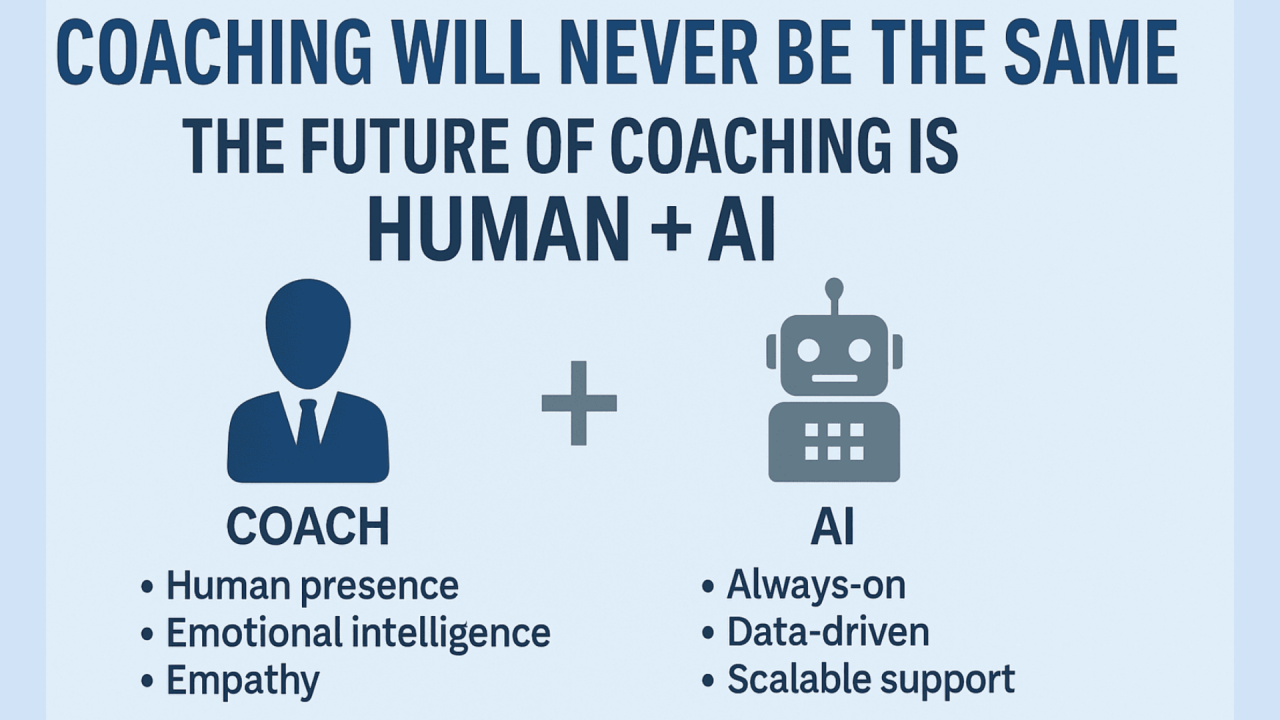
Explore proven strategies for effective data governance, compliance, and architecture in modern enterprises.

AI power comes at a price: security, privacy, or both
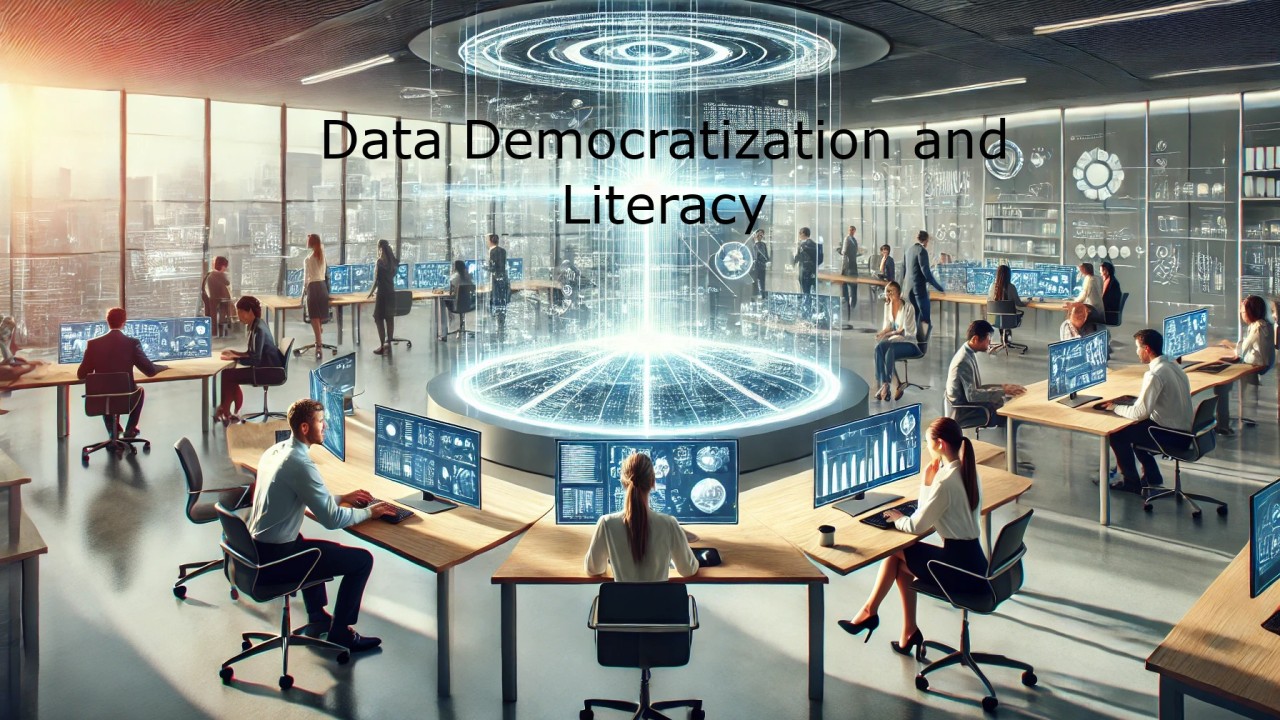
Data democratization fails without data literacy — access means nothing without understanding.
Expert guidance for seamless cloud and data transitions. Unlock value, ensure compliance, and lead with confidence.